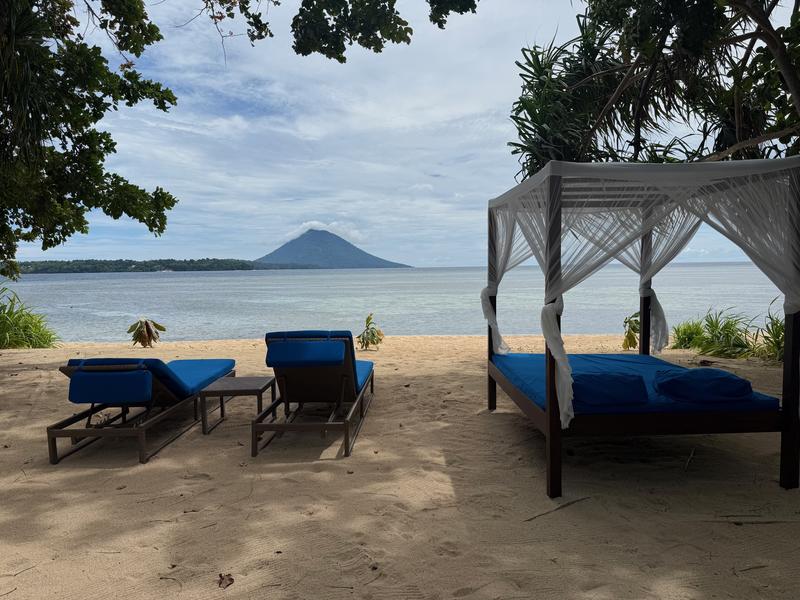

Misool Eco-Resort, Raja Ampat
“Misool represents one of the most pristine reef systems left on Earth — one of only a handful of places in the universe where biodiversity is improving rather than declining.”
— Mark Erdmann, Marine Biologist, Coral Reef Ecologist, and Vice President of Conservation International’s Asia-Pacific Marine Programs
Located in remote Raja Ampat, Indonesia, Misool is a true tropical hideaway. Situated just south of the equator and nestled within an archipelago of uninhabited islands, the resort is fringed by powder-white beaches and vibrant coral reefs. With a maximum capacity of only 40 guests and a remarkable 4-to-1 staff-to-guest ratio, Misool offers exclusive adventure holidays and transformative experiences amid pristine nature.
Accommodations
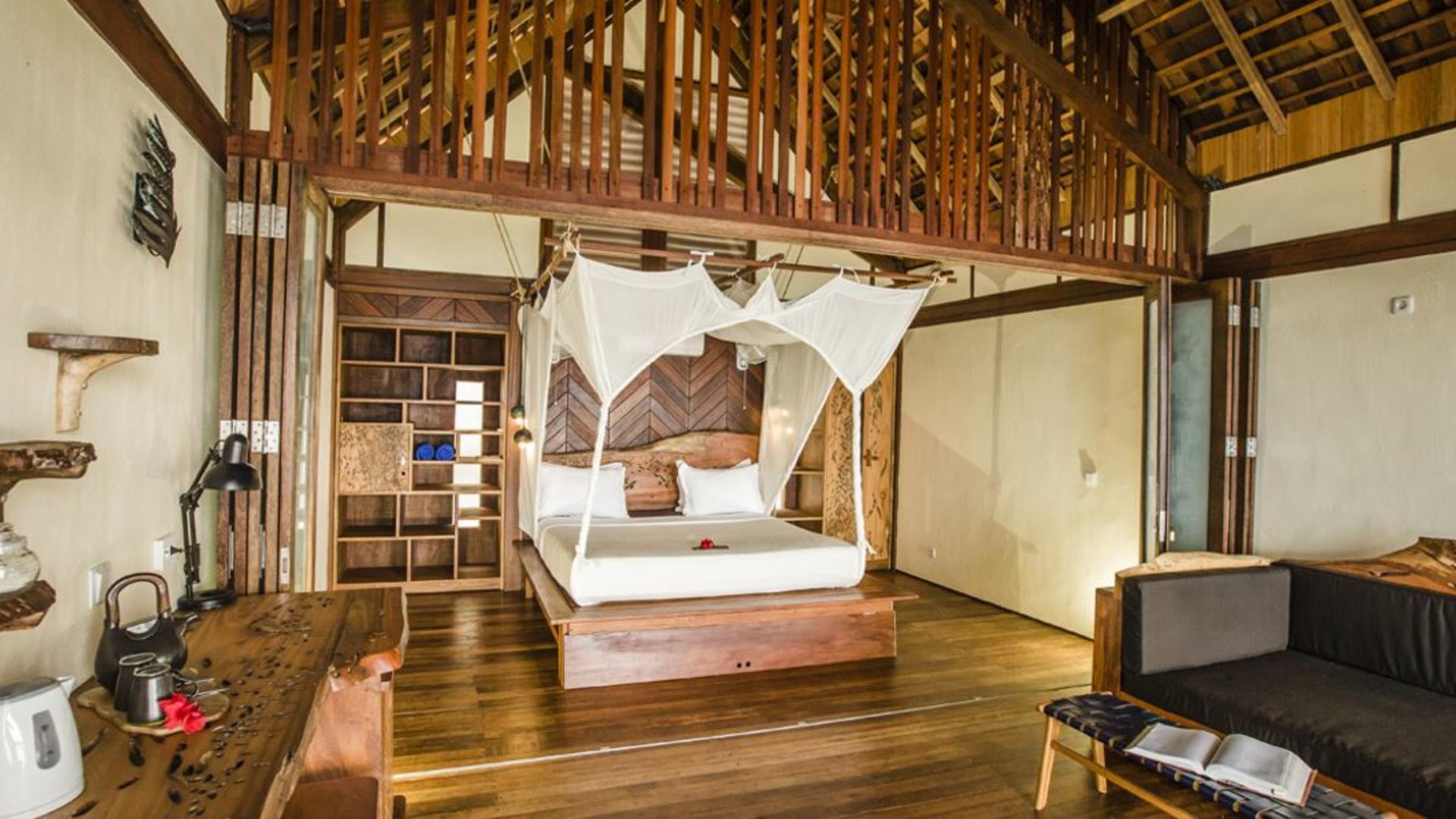
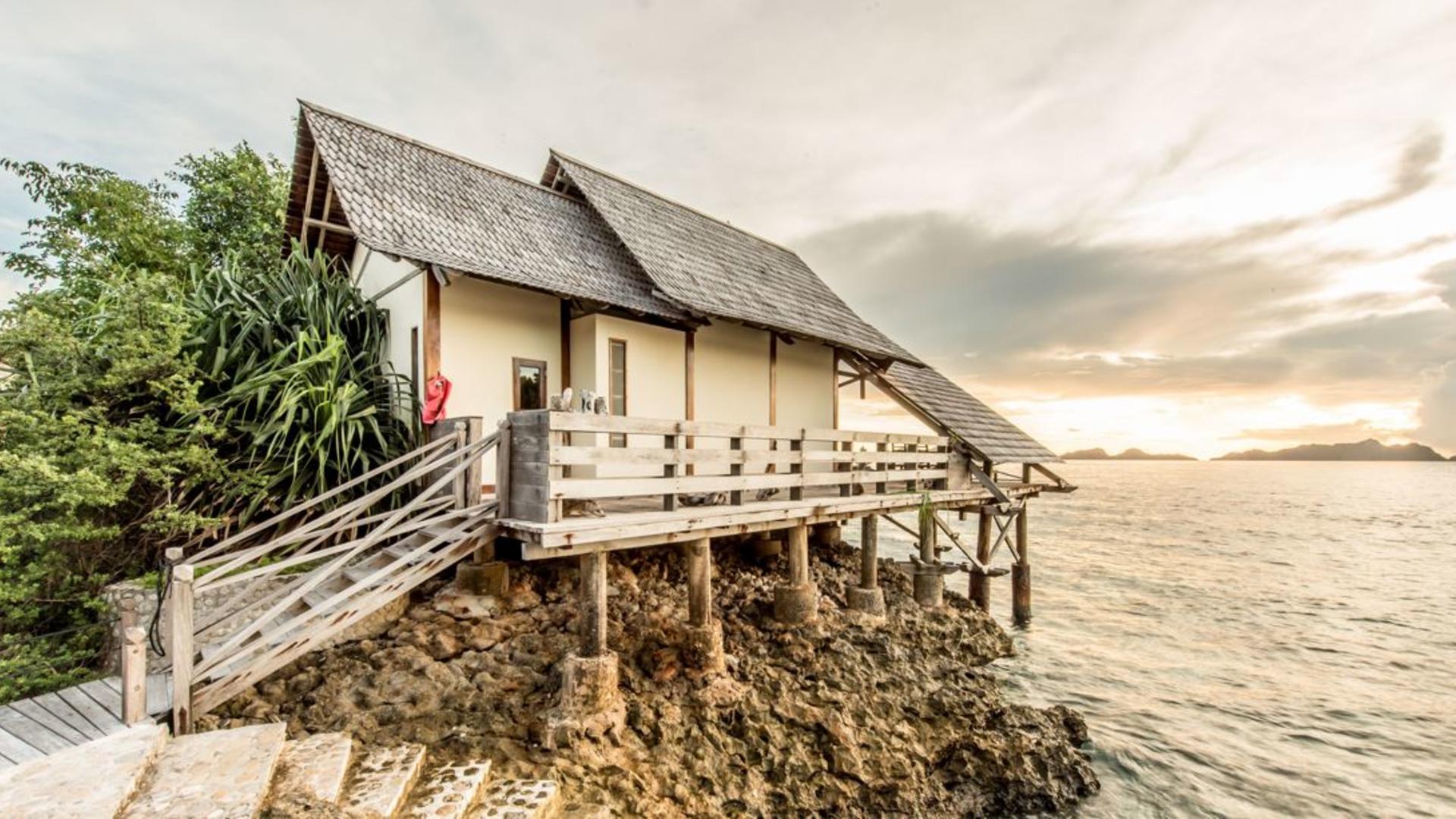
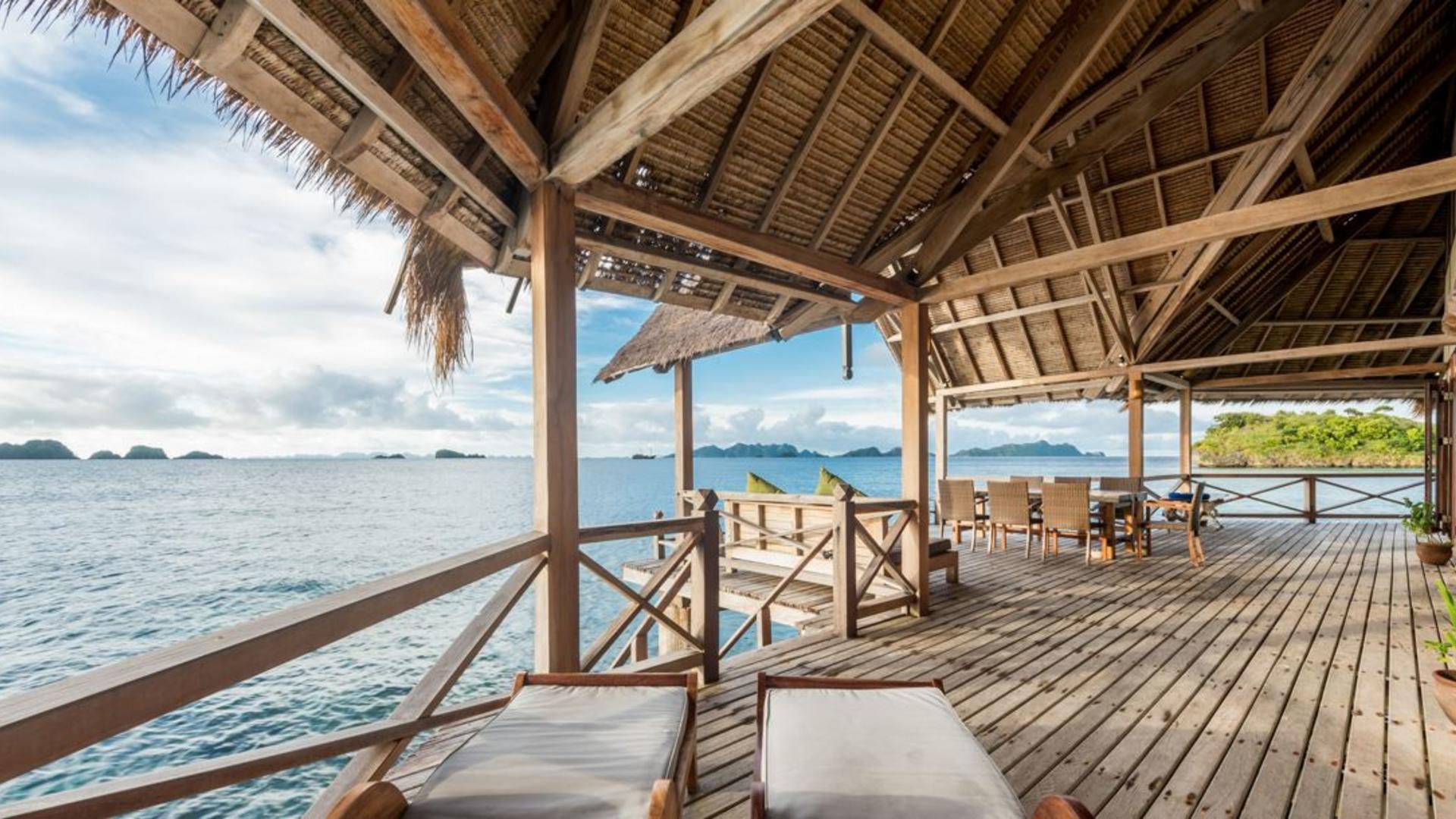
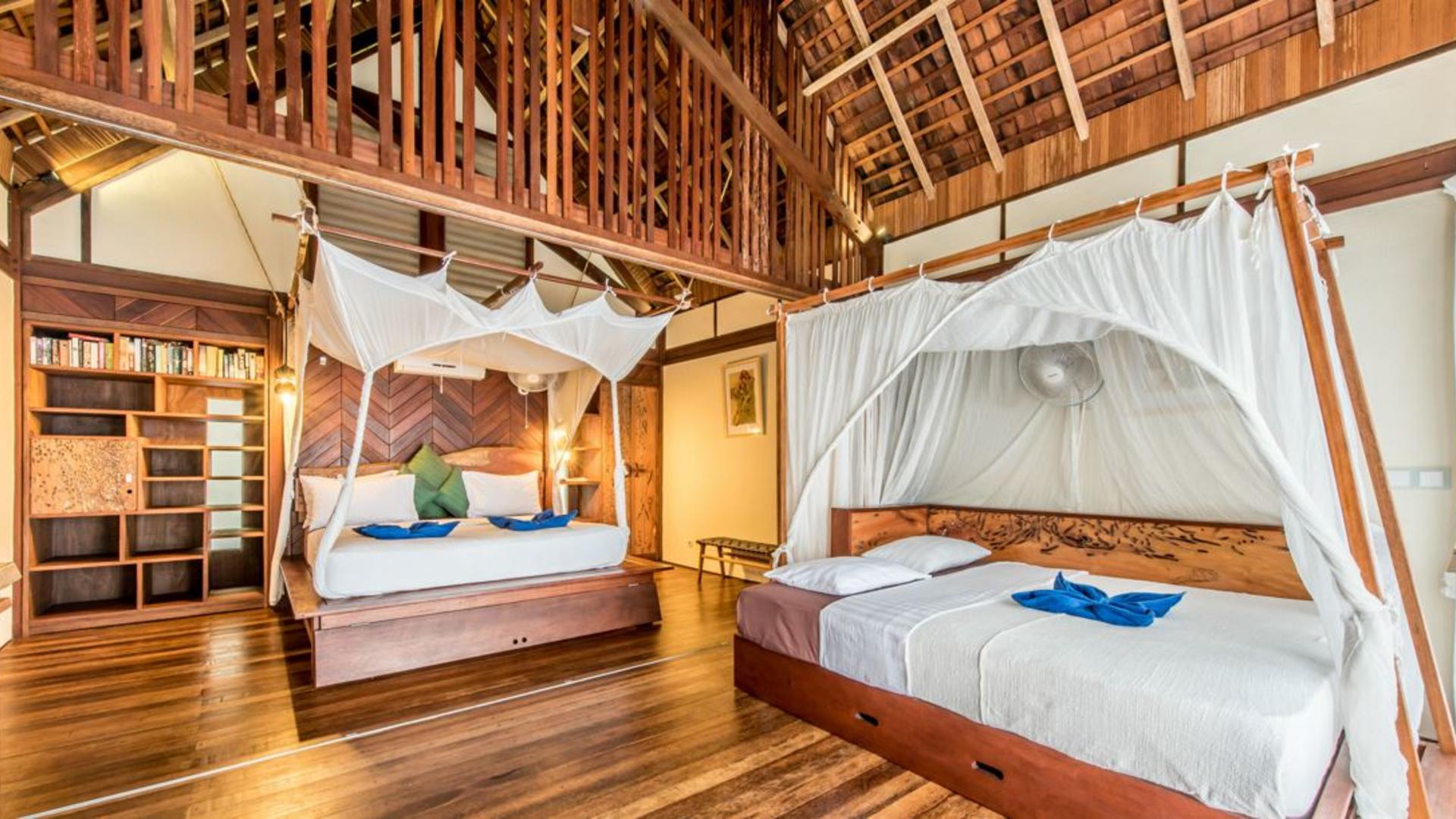
Misool’s private island and conservation center are located in southern Raja Ampat, Indonesia, in a remote chain of islands. The nearest port is 165 kilometers away, and the closest village is 20 kilometers from the resort. Surrounded by abundant marine life and thriving coral reefs, guests stay in stunning cottages or villas overlooking the ocean.
- North Lagoon: Eight overwater cottages, built on stilts, rest above the turquoise water. Four larger villas are also located in this area.
- South Beach: Seven villas overlook a crystal-clear blue water swimming hole.
Each accommodation features Balinese-style open-air bathrooms, air-conditioning, fresh hot and cold showers, mini-bars stocked with local treats, and handcrafted furniture and fittings for a luxurious, eco-conscious retreat.
Dining
Misool’s beachfront restaurant overlooks the North Lagoon, offering a breathtaking spot to enjoy meals and drinks, especially at sunset. Guests can savor a mix of Asian and Western cuisine, with a focus on fresh, local, and organic ingredients.
- Four meals are served daily, complemented by an afternoon tea with freshly baked goods.
- Snacks and beverages are available throughout the day to enhance the experience.
Scuba Diving
With 60 spectacular dive sites within an hour of the resort—35 of them just 15 minutes away—Misool offers world-class diving in the heart of the Misool Marine Reserve.
- House Reef: A fantastic shore dive accessible directly from the dive center or your water cottage.
- Guided Dives: Three boat dives are scheduled daily, along with an additional dusk or night dive.
- Snorkeling: The house reef also offers incredible snorkeling opportunities, including encounters with baby black-tip reef sharks and a variety of other marine creatures.
Traditional Indonesian Wellness
Misool’s spa treatments are crafted daily using all-natural, food-grade ingredients. Guests can enjoy massages or beauty treatments in the privacy of their rooms or at The Lookout, a tranquil setting with stunning views.
Variety of Experiences
Misool provides a wide range of activities for guests, including:
- Baby sea turtle releases
- Romantic castaway beach experiences
- Village visits and Indonesian cooking classes
- Mangrove, lagoon, and stand-up paddleboard experiences
- A day with the rangers and a visit to the Sorong market
There’s truly something for everyone to enjoy!
Misool Foundation
The Misool Foundation oversees a variety of marine conservation initiatives across Indonesia, including community education, recycling programs, and a manta conservation project.
Misool Marine Reserve
In 2005, Misool partnered with the local community to lease the island of Batbitim—the future site of the resort—and surrounding waters. This agreement ended destructive fishing practices, including shark finning, in the area.
Today, the Misool Foundation protects a 300,000-acre (1,220 sq km) Marine Reserve, nearly twice the size of Singapore. The reserve comprises two No-Take Zones connected by a restricted-gear blue water corridor.
The reserve is patrolled by local rangers supported by Marine Police. These rangers conduct physical patrols and use radar and drone surveillance from base camps and stations on Yellit, Kalig, and Daram.
Notably, the reserve is funded entirely by Misool Foundation without financial support from the Raja Ampat government or the pin tag system.